Why Gardeners' Hands Need More Than Just Moisturiser
Share
Spring is here. The beds need turning, the pots need filling, and your hands are about to take a proper battering.
If you garden, you'll know the feeling. By the end of a good session outside, your hands are dry, tight, sometimes cracked — and no amount of ordinary hand cream seems to quite do the job. There's a reason for that.
What gardening actually does to your hands
It's not just the dirt. Gardening puts your hands through a surprisingly punishing cycle of damage — and British weather doesn't help.
Soil strips your skin's natural oils. Garden soil — especially when it's dry, clay-heavy, or freshly turned — is alkaline and abrasive. It draws moisture out of the skin and disrupts the natural lipid barrier that keeps your hands soft and protected.
Repeated wetting and drying is brutal. Washing your hands between tasks, handling wet compost, watering in the rain — the constant cycle of wet and dry is one of the most damaging things you can do to skin. It breaks down the barrier faster than almost anything else.
Cold, wind and drizzle finish the job. Spring in Britain means cold hands, biting wind, and weather that can't quite make its mind up. Cold temperatures slow the skin's natural repair process, leaving damage to quietly accumulate over the season.
Why ordinary hand cream isn't enough
Most hand lotions are water-based. They feel pleasant going on, but they evaporate — and when you're back outside in the wind within minutes, there's precious little left to protect you.
What hardworking hands actually need is an occlusive — something that forms a proper protective layer over the skin, sealing in moisture and shielding against the elements. That's what a balm does, and it's why balm and hand cream aren't really the same thing at all.
What to look for in a gardener's balm
Not all balms are equal. For hands that work hard, the ingredients matter:
Castor Oil is one of the finest oils for dry, cracked skin — deeply conditioning, with a natural thickness that helps it stay where you put it rather than disappearing the moment you touch something.
Hempseed Oil is rich in omega fatty acids that closely mirror the skin's own lipids, helping to restore the barrier that soil and water strip away over the course of a season.
Olive Oil has been used on skin for centuries, and for good reason — rich in oleic acid, deeply nourishing, and well-tolerated by most skin types.
Beeswax is the occlusive that holds it all together — forming that protective layer that keeps moisture in and the elements firmly out.
A simple end-of-garden ritual
You don't need much. At the end of a session outside — gloves off, hands washed and gently patted dry — warm a small amount of balm between your fingertips and work it into your hands, paying particular attention to knuckles and cuticles. Leave it to absorb for a few minutes before you get on with anything else.
Do it consistently and you'll notice the difference within a week. Hands that work hard in the garden can still be hands that feel well looked after.
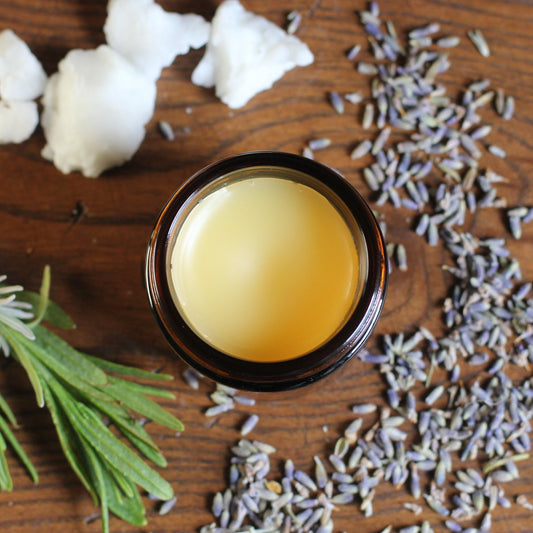
The Gardener's Balm is made in small batches in the Usk Valley, Wales — with Castor Oil, Hempseed Oil, Olive Oil and Calendula-infused Sunflower Oil, and a grounding blend of Cedarwood, Scots Pine and Juniper. Palm oil free. No unnecessary ingredients.