From the Apothecary: Rosemary
Share
Rosmarinus officinalis — one of the most versatile and rewarding herbs you can grow in a British garden. Hardy, fragrant, and beautiful year-round, rosemary earns its place many times over — in the kitchen, in the garden, and on your skin.
What It Is
A woody, evergreen perennial native to the Mediterranean, rosemary thrives in the UK with the right conditions. Its silver-green needled leaves are intensely aromatic and packed with natural oils — the same oils that make it so useful beyond the kitchen.
Rosemary for Hair & Scalp
Rosemary has been used in traditional hair care for centuries — and for good reason. It's one of the most searched natural hair remedies in the UK, and unlike many trends, it has genuine craft heritage behind it.
A simple rosemary hair rinse can be made at home in minutes and used after shampooing to leave hair feeling clean and the scalp refreshed.
Simple Rosemary Hair Rinse
- 2–3 fresh rosemary sprigs (or 1 tbsp dried)
- 500ml boiling water
- Optional: a few drops of rosemary essential oil
Pour boiling water over the rosemary and leave to steep for 20–30 minutes until cool. Strain and pour through clean hair after shampooing. Leave in — no need to rinse out. Use 2–3 times a week.
Note: rosemary essential oil is potent — if adding, use sparingly and do a patch test first.
Rosemary for Skin & Body
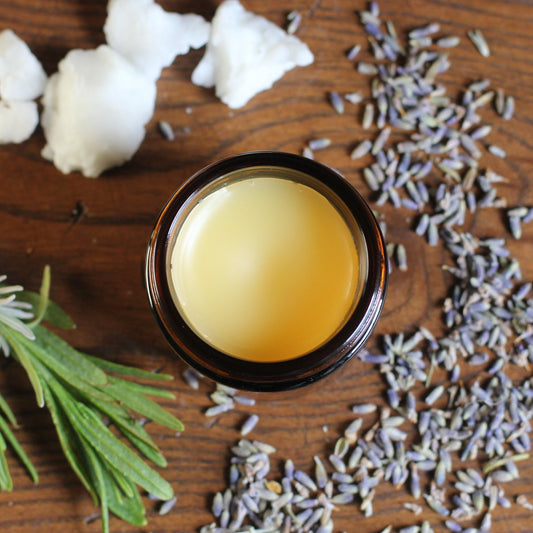
Rosemary is stimulating and invigorating — it increases circulation and brings warmth to the skin. Infuse dried rosemary in a carrier oil (olive or jojoba work well) for a simple massage blend, or add a handful of dried sprigs to a muslin bag and drop into a warm bath for an energising soak.
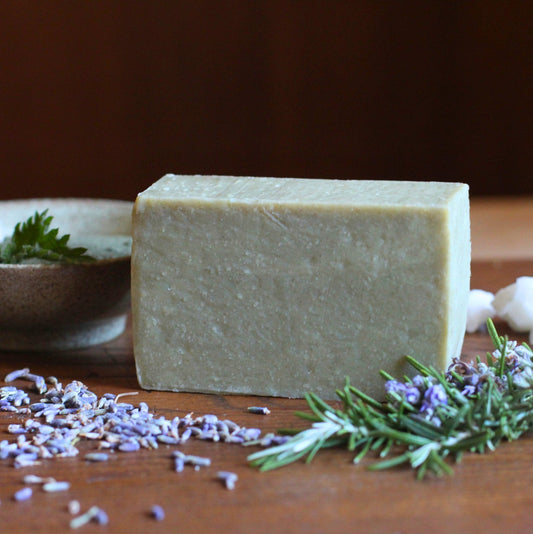
It's one of the key herbs in our Original Herb Soap — alongside nettle and peppermint — chosen for exactly these properties. If you'd rather skip the infusing, the soap does the work for you.
Around the Home
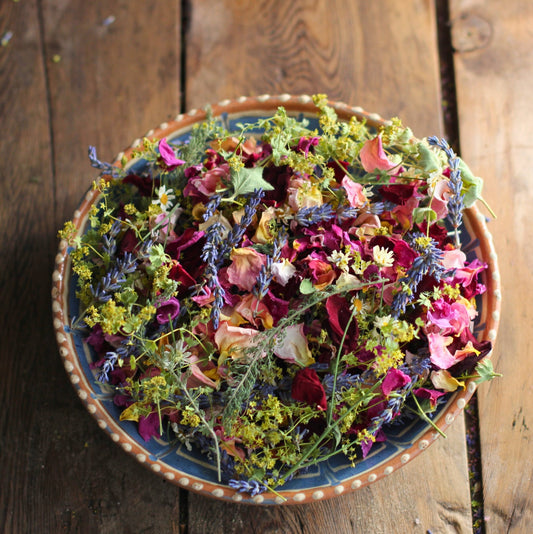
Rosemary is a natural deodoriser and insect repellent. Use dried sprigs in pot pourri, linen sachets, or as a natural moth deterrent in wardrobes. Simmer fresh sprigs in water on the hob to scent the kitchen naturally.
In the Kitchen
One of the great culinary herbs — use fresh or dried with roasted vegetables, lamb, bread, and oils. Rosemary-infused honey is a particular favourite at Usk Valley Herbs.
Fancy Growing Your Own?
Rosemary is one of the easiest and most rewarding herbs to grow in a British garden. Here's how to get it right.
Position
Full sun and a sheltered spot. Rosemary loves warmth and dislikes sitting in cold, wet soil.
Watering
Sparingly once established. Rosemary is drought-tolerant and will rot in waterlogged conditions.
Feeding
Little needed. Too much nitrogen produces lush growth with less fragrance.
Pruning
Lightly after flowering to keep the plant bushy and prevent it becoming woody.
Winter Care
Established plants are generally hardy, but protect young plants and those in pots from hard frosts.
Harvesting & Drying
Harvest sprigs throughout the growing season. To dry, tie in small bundles and hang in a warm, airy spot away from direct sunlight. Dried rosemary retains its fragrance beautifully and is just as useful as fresh for home and body use.
Rosemary is one of those herbs that rewards you at every turn — rub a sprig between your fingers on the way past, steep it for a hair rinse, drop it in the bath, or let it scent the kitchen on a grey afternoon. It's been doing all of this for centuries, long before it ended up in a bottle with a fancy label. At Usk Valley Herbs, it's one of the herbs we keep coming back to — honest, hardworking, and quietly brilliant. Just like the best things usually are.