How to dry herbs for Autumn Displays
Late summer is (usually) a beautiful time in the garden. This year not so much. Due to the weeks and weeks of heat and blazing sun we've had in most parts of the UK most gardens are looking a touch brown and crispy.
Usually the bright colours of July begin to soften, flowers start to fade into seed heads, and many of our favourite herbs reach a stage where they are perfect for gathering and preserving.

That said, August is the ideal time to start collecting herbs and botanicals to dry for autumn displays. By harvesting now and allowing them plenty of time to dry slowly, you can create beautiful natural arrangements, wreaths and seasonal decorations ready for the changing seasons.
If you're in a hurry, these herbs are quick driers given an airy, warm space to dry such as an airing cupboard: Lavender, rosemary and marjoram harvested in August will be ready for autumn arrangements by September.
Here at Usk Valley Herbs, we love capturing a little piece of summer before autumn arrives — preserving the colours, textures and gentle scents of the plants we grow.
Choosing herbs to dry
Not every herb dries in quite the same way. Some hold their colour beautifully, some keep their scent, and others add wonderful texture to dried arrangements.
When choosing herbs for autumn displays, look for plants that are healthy, free from damage and harvested at the right stage.
A few simple tips:
- Harvest herbs on a dry day once any morning dew has disappeared.
- Choose stems and flowers that are looking their best.
- Avoid gathering after heavy rain, as moisture can make drying more difficult.
- Cut stems with plenty of length so they can be arranged easily later.
Late summer is particularly good for harvesting many herbs, as the plants have had months of sunshine and growth behind them.
Herbs that dry beautifully for autumn
Lavender
A timeless favourite for drying, lavender is loved for both its beautiful purple tones and its familiar calming scent.
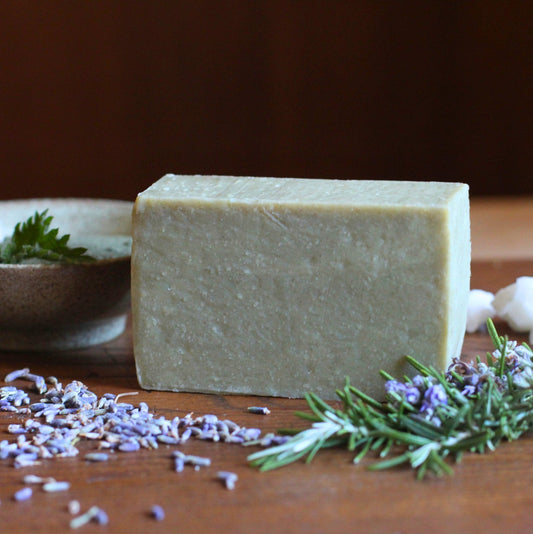
Dried lavender works beautifully in arrangements, wreaths and natural decorations. It can also be used to add fragrance to drawers, linen cupboards and seasonal pot pourri blends.
Rosemary
Rosemary is one of the easiest herbs to dry and keeps its shape wonderfully.
Its evergreen stems add structure to autumn arrangements, while its fresh, resinous scent brings a reminder of the herb garden even during the colder months.
Marjoram
Marjoram is a lovely herb for autumn displays, with soft foliage and a warm herbal fragrance.
It works beautifully alongside dried flowers and seed heads, adding a more subtle, natural feel to arrangements.
Apple Mint
Mint is often associated with summer, but dried mint can bring a lovely softness to seasonal displays.
Apple mint has delicate leaves and a gentle sweetness that works particularly well when combined with other dried herbs and flowers.
Bronze Fennel
Bronze fennel is one of our favourite plants for adding height and movement.
The airy seed heads bring texture and a slightly wild feel to arrangements, creating that relaxed, gathered-from-the-garden look.
Yarrow
Yarrow is a wonderful botanical for drying. Its delicate flower heads add shape and interest, making it a lovely companion for herbs and grasses.

Rose petals
Of course, we couldn't talk about dried botanicals without mentioning roses.
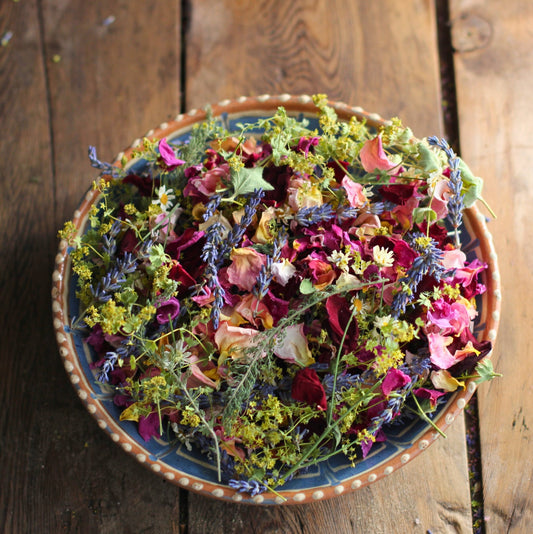
Dried rose petals bring colour, softness and a little touch of romance to autumn displays. The deeper shades of rose often become even more beautiful as they dry, creating muted tones perfect for seasonal arrangements.
Our sister company, Usk Valley Roses, grows a collection of roses whose petals are carefully dried and used in our botanical creations.
How to dry herbs naturally
There are several simple ways to dry herbs at home.
Hanging herbs
For herbs with sturdy stems, such as rosemary, lavender and marjoram, hanging them in small bundles is a traditional and effective method.
Gather a small handful of stems and tie them loosely before hanging them somewhere:
- dry
- dark
- warm
- well ventilated
Avoid placing herbs in direct sunlight, as this can cause colours to fade.
Drying on racks
More delicate flowers, petals and leaves are better suited to drying flat.
Spread them in a single layer on drying racks or trays and allow air to circulate around them.
This is the method we use for many of our own botanicals at Usk Valley Herbs, allowing plants to dry slowly while preserving their natural colour and character.
Creating autumn displays with dried herbs
Once your herbs are fully dry, there are so many ways to enjoy them indoors.
Try using them to create:
- simple dried herb arrangements in vases
- autumn wreaths
- seasonal table decorations
- botanical bowls
- natural pot pourri blends
One of the joys of dried botanicals is that they allow us to enjoy the garden long after summer has passed.
A handful of dried lavender, rosemary stems or rose petals can bring back memories of warm days and scented borders even as the evenings begin to draw in.
Keeping the scent of dried herbs
Some herbs naturally hold their fragrance better than others. Lavender, rosemary and mint are particularly lovely for bringing scent indoors.
Over time, natural fragrance will soften, but dried botanicals can be refreshed with carefully blended essential oils to bring them back to life.
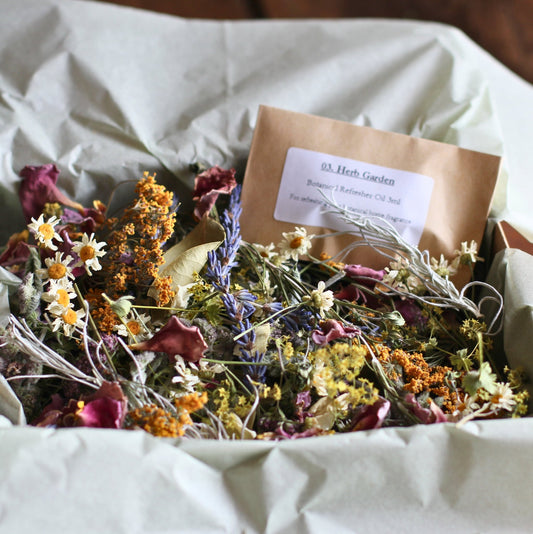
This is the same principle behind our botanical pot pourri blends — combining naturally dried flowers, herbs and leaves with carefully chosen essential oils to create seasonal home fragrances inspired by the countryside around us.
Bringing summer indoors
Drying herbs is a simple way to slow down and appreciate the changing seasons.
Rather than letting the garden disappear as autumn arrives, we can gather small pieces of summer and bring them indoors — preserving the colours, textures and scents of the plants that have grown around us.
Whether you create a simple jar of dried herbs, a seasonal arrangement or a beautiful botanical display, the process is a lovely reminder that every season has something special to offer.