From the Apothecary: Dandelion
Share
Taraxacum officinale — the weed everyone spends spring trying to eradicate. It grows in every lawn, pavement crack, and field margin in Britain, flowers from March to November, and has been used in the apothecary for centuries. It turns out the most persistent plant in your garden is also one of the most useful.
What It Is
Dandelion is a hardy perennial native to Europe and found across the entire UK. Every part of the plant is useful — the flowers, the leaves, and the long taproot that makes it so difficult to dig out. The name comes from the French dent de lion — lion's tooth — a reference to the jagged leaf edges. It's been in the European apothecary since at least the 10th century.
Dandelion for Skin
Dandelion-infused oil is one of the most traditional preparations in the folk apothecary — made from the flowers, slow-infused into a carrier oil, and used on dry, rough, or weather-worn skin. The flowers give the oil a beautiful golden colour and a gentle, conditioning quality.
It's a particularly good oil for hands and feet — skin that takes a lot of wear and needs something nourishing rather than light. The infused oil can be used directly on skin or as the base for a simple salve.
How to Make Dandelion-Infused Oil
Pick flowers on a dry, sunny day — this is important. Wet flowers will introduce moisture and cause the oil to go rancid. Spread the flowers on a clean cloth or rack and leave for 24 hours to wilt slightly before infusing — this reduces their moisture content further.
You'll need:
- A large handful of dandelion flowers, wilted for 24 hours
- Enough carrier oil to cover — sunflower or olive oil work well
- A clean, dry jar with a lid
Fill the jar loosely with the wilted flowers. Pour over enough oil to cover completely. Seal and place on a sunny windowsill for 4–6 weeks, shaking gently every few days. Strain through muslin, pressing the flowers well. Store in a dark bottle — it will keep for up to a year.
Quick method: place flowers and oil in a heatproof bowl over a pan of barely simmering water. Keep the heat very low and infuse for 2–3 hours. Strain and cool before bottling. The wilting step is still important even for the quick method.
Simple Dandelion Salve
Once you have your infused oil, the salve takes minutes:
You'll need:
- 100ml dandelion-infused oil
- 10g beeswax (adjust for a firmer or softer set)
- Optional: 10–15 drops lavender essential oil
Melt the beeswax gently into the warm infused oil. Remove from heat, allow to cool slightly, then add essential oil if using. Pour into tins or small jars and leave to set without moving.
The result is a simple, honest balm — golden in colour, gentle on skin, and made entirely from things you can forage or grow yourself.
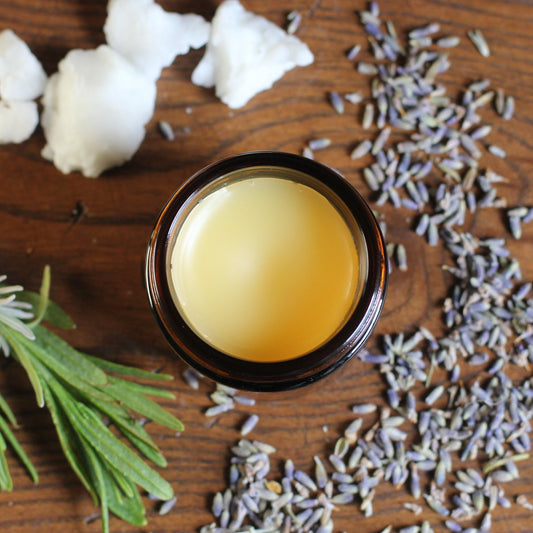
If you'd rather skip the kitchen, our Utility Balm uses the same principle — a plant oil and beeswax base designed for hardworking skin.
Dandelion Root — In the Apothecary & the Soap
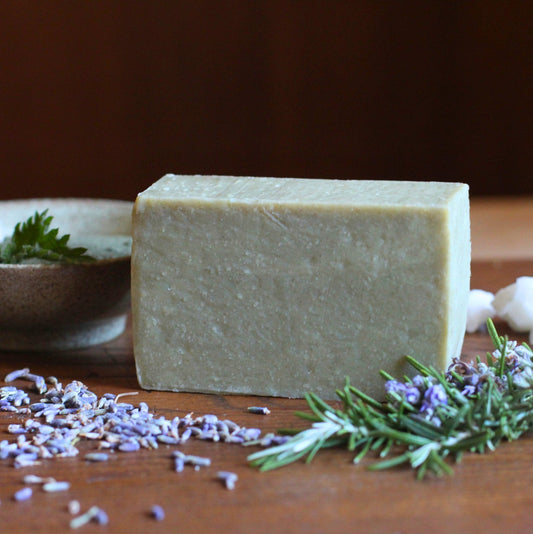
The root is a different proposition to the flower. Dandelion root has been used in traditional herbalism as a bitter tonic and is one of the ingredients in our Patchouli Spice Soap — chosen for its traditional skin-conditioning properties and the depth it adds to the formula alongside patchouli and spice notes.
It's one of those ingredients that raises an eyebrow on a label and makes complete sense once you know the history.
Foraging Dandelions
Dandelion is one of the easiest plants to forage safely in the UK — it's unmistakable, abundant, and found almost everywhere. Pick flowers away from roadsides, agricultural land, and dog-walking areas. Spring flowers (March–May) are the most abundant and best for infusing. The leaves are edible too — young spring leaves are the least bitter and can be used in salads.
In the Kitchen
Dandelion flower wine is a British country tradition — labour-intensive but worth it. Dandelion and burdock is one of the oldest British soft drinks. Young leaves make a pleasantly bitter salad green, particularly good with a sharp dressing. The root, roasted and ground, makes a caffeine-free coffee substitute with a deep, slightly bitter flavour.
In the Garden
If you can make peace with dandelions, they're genuinely valuable — one of the earliest nectar sources for bees in spring, when little else is flowering. Their deep taproots break up compacted soil and bring minerals up from depth. Leave a patch to flower before mowing and you'll be doing the local bee population a genuine favour.
The dandelion has been dismissed as a weed for so long that it's easy to forget it was once a valued garden plant, deliberately cultivated for food and medicine. The apothecary never forgot. Neither should we.