The Bedtime Bath: Magnesium, Herbs, and the Science of Settling Down
Share
If you treat sleep like an on/off switch — running at full tilt until 10pm, then wondering why your brain won't quieten down — you're not alone. A bedtime bath isn't about pampering. It's a functional tool that nudges your body from high-alert to ready-to-rest, using nothing more than minerals, plants, and warm water.
Why Magnesium?
Magnesium is involved in over 300 enzymatic reactions in the body, including the regulation of GABA — the neurotransmitter that tells your brain to stop overthinking. When you soak in magnesium chloride flakes, you're not just relaxing tired muscles; you're helping your nervous system genuinely downshift. It's particularly useful if you carry tension from a desk-heavy day, or if restless legs tend to keep you awake.
The Herbs That Actually Help
You don't need a long list of exotic ingredients. These three do the work:
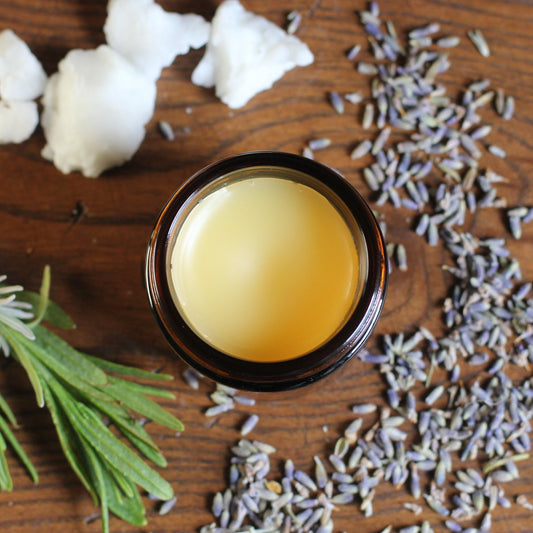
- Lavender — a classic for good reason. Linalool, lavender's active compound, has been shown in clinical studies to reduce heart rate and blood pressure. Calming in the truest sense.
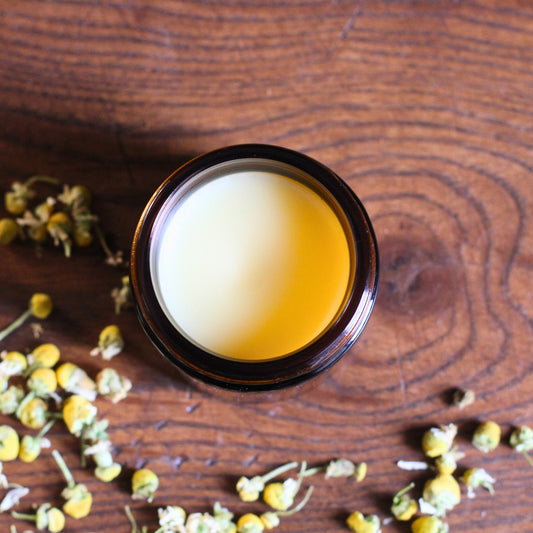
- Chamomile — a gentle sedative. Using whole dried flowers lets the essential oils release slowly into the water, which is exactly what you want.
- Hops or Valerian — if you really struggle to drop off, these are the heavier hitters. Earthier in scent, but considerably more effective for deeper insomnia than lighter florals.
How to Do It (The No-Mess Method)
Don't throw loose herbs straight into the bath. You'll spend twenty minutes cleaning the drain, the flower heads go slightly slimy, and they end up in your hair. Trust me — been there, regretted it.
Instead:
- Use a muslin bag — fill it with your dried herbs and squeeze it into the hot water like a giant tea bag. All the benefit, none of the cleanup.
- Use enough magnesium — 200g to 500g of flakes. A sprinkle won't shift your blood chemistry; you need a proper concentration.
- Stay in for 20 minutes — long enough for your skin to absorb the minerals, not so long the water goes cold and your cortisol creeps back up.
- Let yourself cool down — your body needs its core temperature to drop to initiate sleep. The bath raises it; the cooling afterwards is what actually makes you drowsy. Don't rush straight to bed.
Keep It Simple
The real advantage of using raw salts and whole herbs is knowing exactly what's in your water. Many standard bath products rely on synthetic fragrances and dyes that can irritate sensitive skin. Minerals and plants, kept simple, are usually the most effective way to support your body's recovery — without anything it doesn't need.